Cadra represents movement sculpted with precision and intention. Pilates designed to fit seamlessly into your rhythm.
Meet Mara
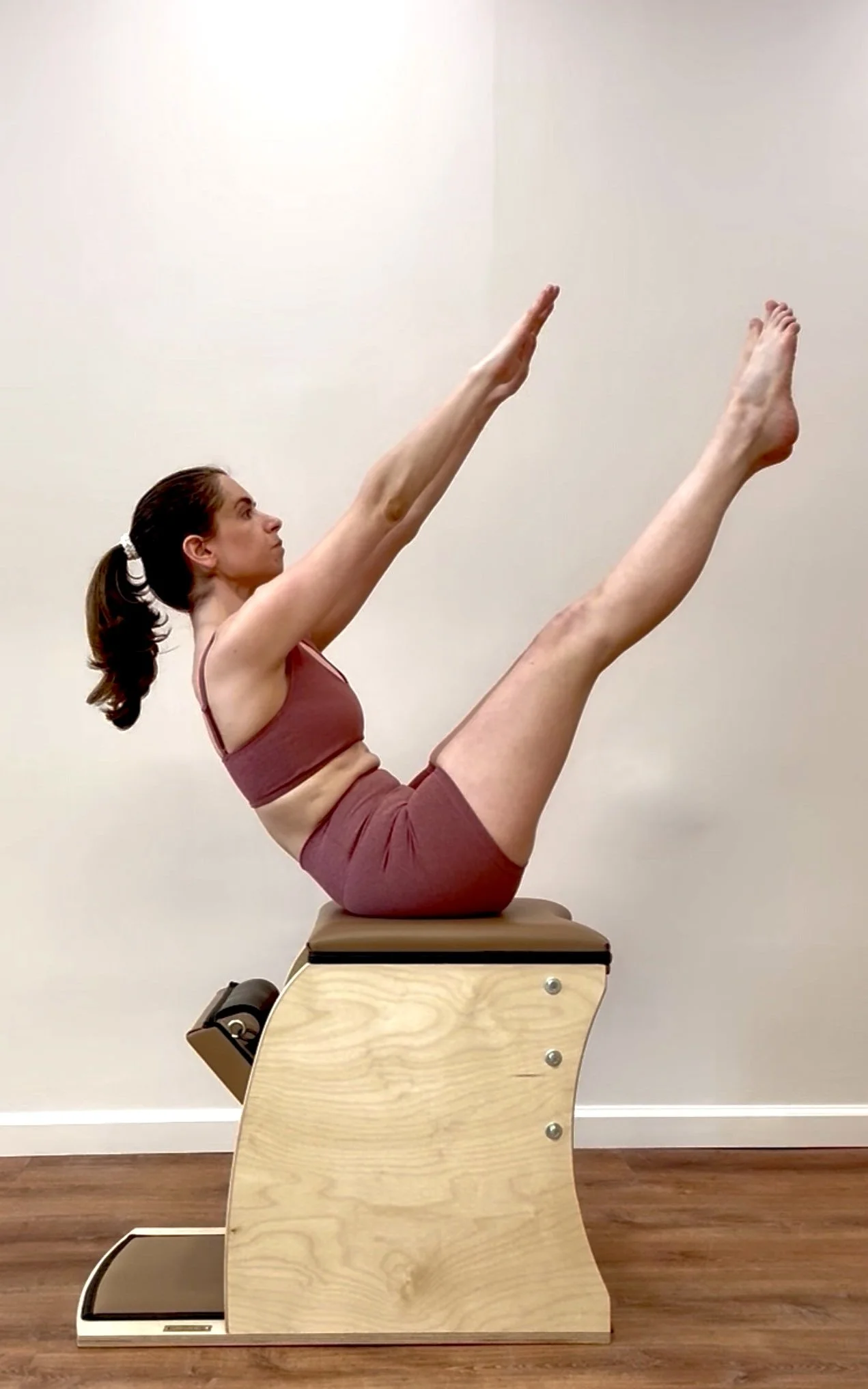
I discovered Pilates at 12 years old after being diagnosed with scoliosis. From the beginning, I understood my body didn’t always respond to standard cues. I had to learn how to connect differently, to listen differently. The C-curve was my first breakthrough: a simple but fundamental shape that taught me how strength and resilience begin with awareness. Twenty-something years later, I realized I want to help others build that same depth of connection through classical Pilates.
The name Cadra carries that foundation. It comes from the French cadre—meaning frame, framework, and composition—and from the sculptural quality of the C-curve itself: curved yet strong, protective yet expansive. In this way, Cadra reflects both the structure that supports movement and the artistry that gives it shape. Just as the C-curve unlocks the rest of Pilates, Cadra is a framework where practice is shaped with precision, care, and intention.
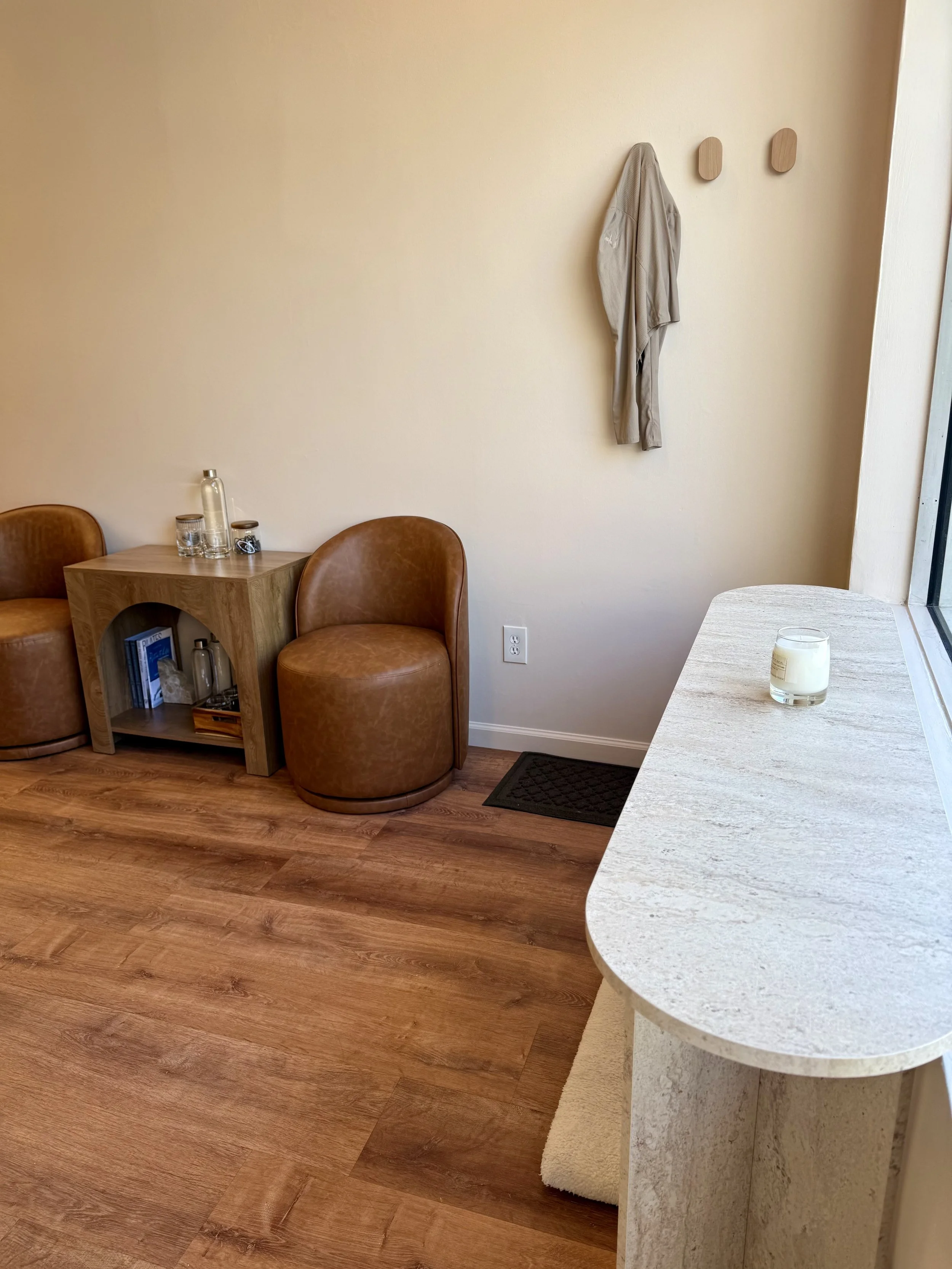
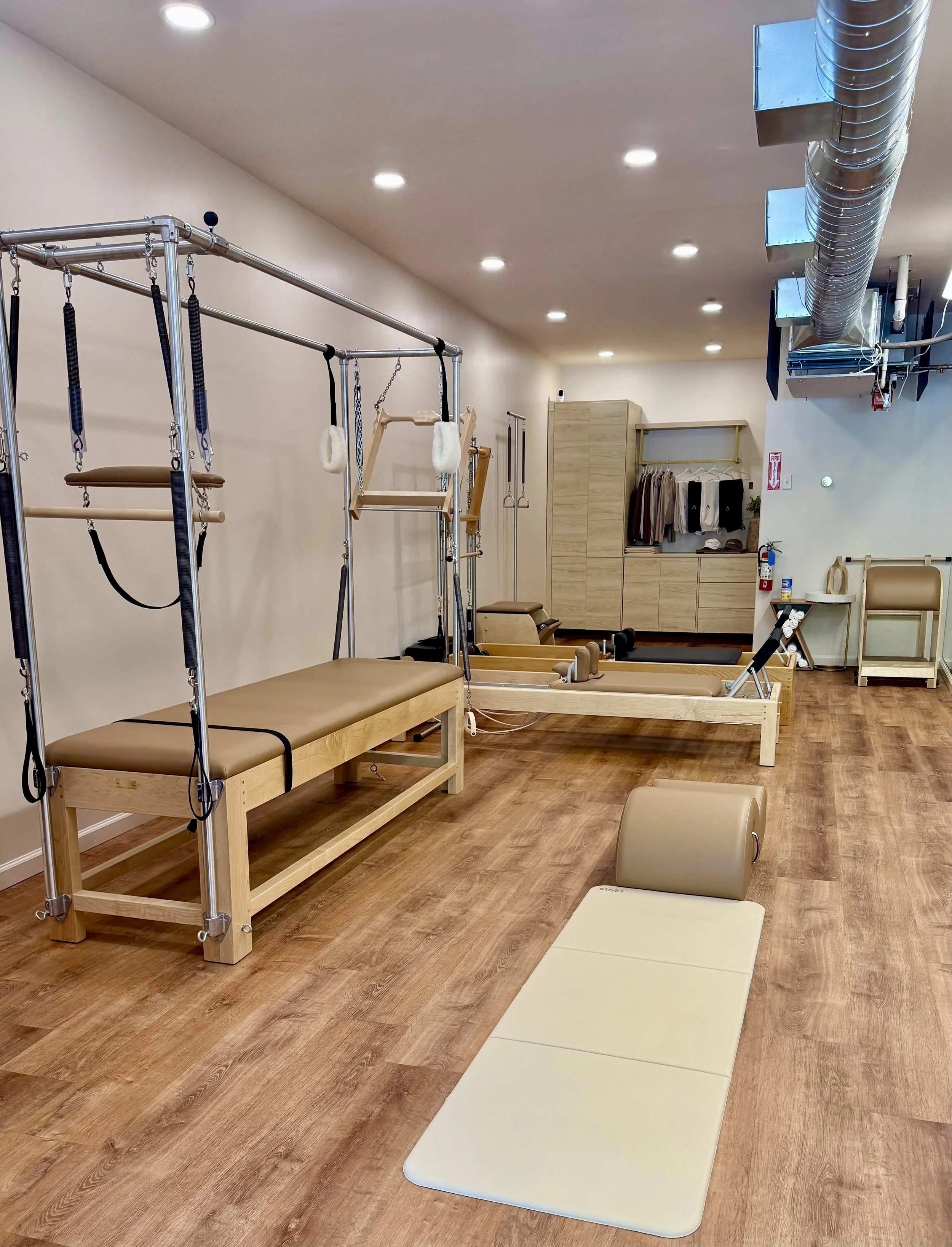
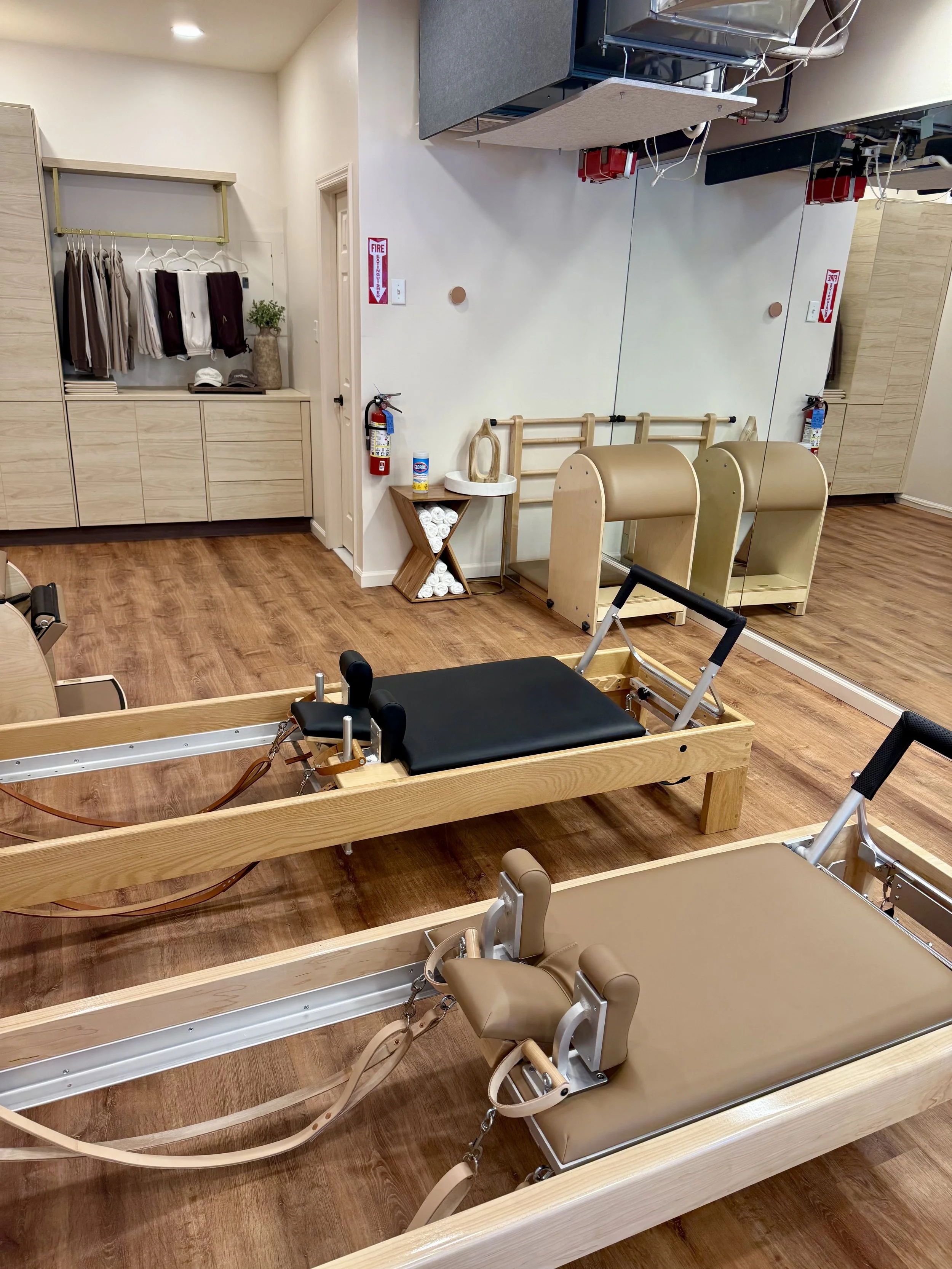
At Cadra, fundamentals aren’t one-size-fits-all. They are sculpted around you and your body—consistent, intentional, and designed to integrate seamlessly into your rhythm. This is a private space built on depth and detail: every element considered, so your practice becomes not just something you do, but something that shapes and supports you.
Why Private Sessions?
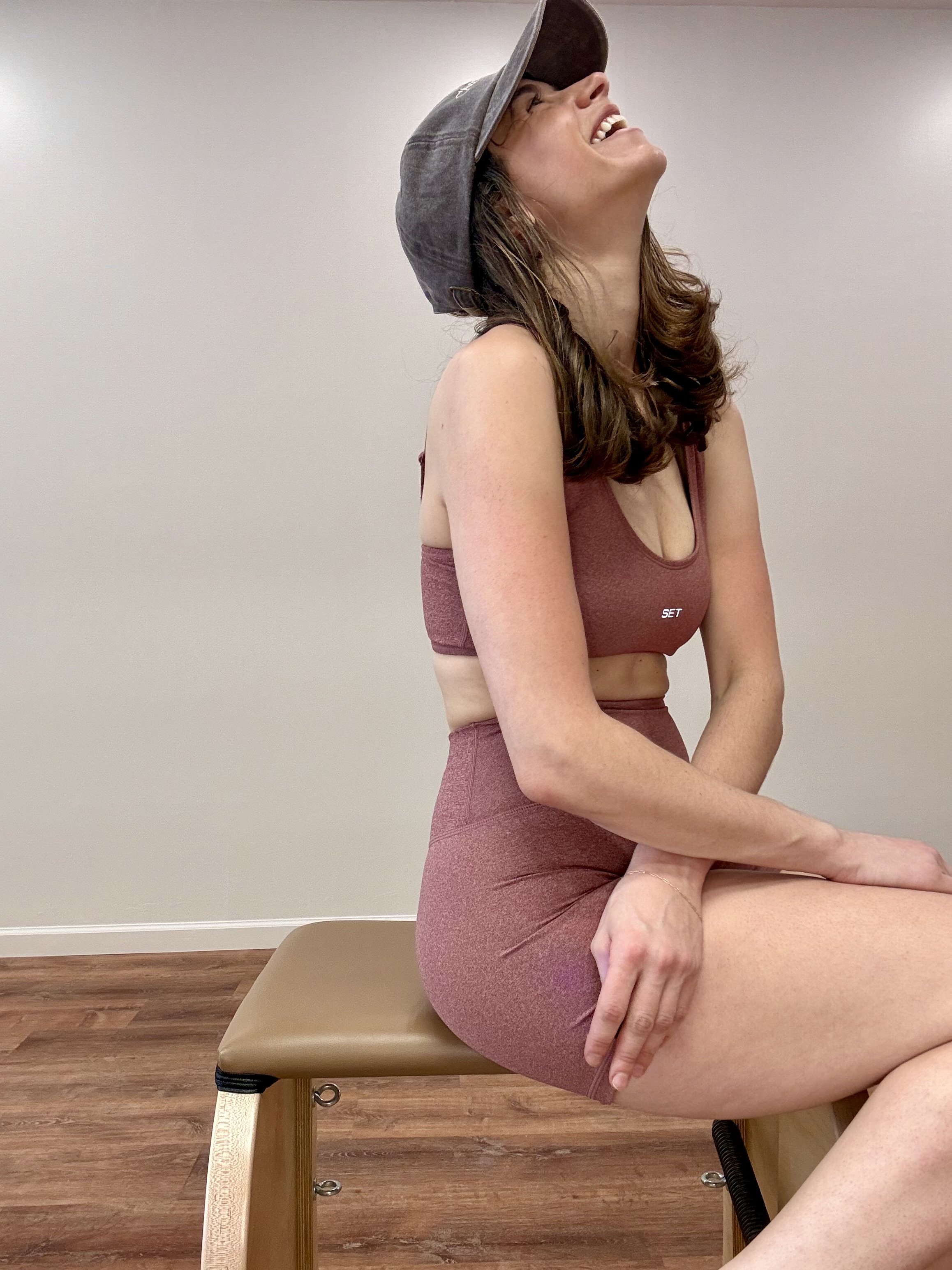
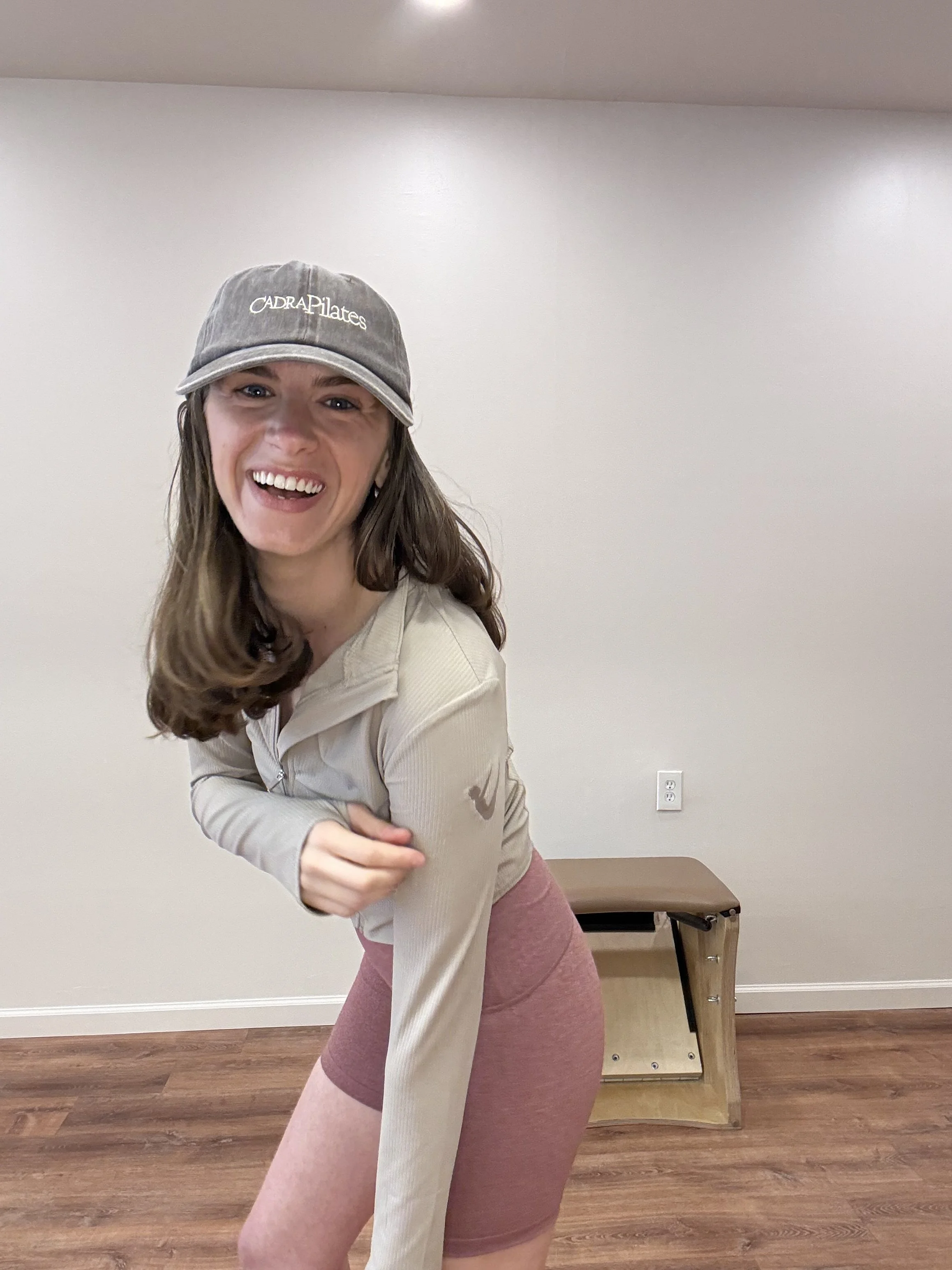
My experiences shaped how I approach the work today. Private sessions are the foundation of Cadra because they allow for a level of attention, precision, and real-time adjustment that simply isn’t the same in a group setting. Rather than adapting your body to a class, the work is shaped around you—how you move, where you need support, and how your practice fits into your life consistently. It also creates a private, focused environment where you can move without distraction or comparison. It’s an intentional way to build strength, where progress comes from awareness.